Are braids actually bad for your hair?
Many people ask this, especially those who have experienced breakage, thinning edges, scalp pain, or other problems after wearing braids.
Some people have stopped wearing braids altogether because they believe braids will damage their hair, pull out their front edges, cause breakage, or eventually lead to hair loss.
Keeping your braids clean is also part of proper braid care. However, washing them incorrectly can lead to frizz, tangling, and unnecessary manipulation. If you’re unsure how to clean your braids properly, learn how to wash braids without ruining them.
But here’s the truth: braids aren’t inherently bad for your hair. The problem often lies in how the braids are installed, how much tension you put on your hair, how heavy the extensions are, how long you keep the style in, and how you care for your hair while wearing it.
This means you don’t necessarily have to give up braids because you’re afraid they will damage your hair.
In this article, I’ll show you how braids can cause breakage, damage, and hair loss, the warning signs to watch for, and the steps you can take to reduce the risk. We’ll also cover what to do when your braids feel too tight and how to protect your edges while wearing braided styles.
So, if you’ve avoided braids for a long time because you’re worried that they will ruin your hair, keep reading. By the end of this guide, you’ll understand what actually causes problems and how to make better choices when getting your hair braided.
When Can Braids Cause Breakage, Damage, and Hair Loss?
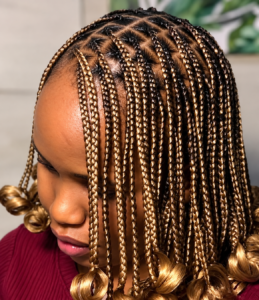

Braids are not automatically bad for your hair. However, certain practices can make a braided hairstyle damaging to your hair and scalp.
The problem is usually not the braid itself but factors such as excessive tension, heavy extensions, poor installation, rough removal, keeping the style in for too long, and constantly restyling the braids.
Here are some common causes.
1. Tight Braiding
One of the biggest problems is braiding the hair too tightly.
When you pull your hair tightly during installation, it puts unnecessary tension on your scalp and hair follicles. This can be especially problematic around your edges and hairline, where the hair may be more fragile.
Your braids should not have to hurt for them to look neat.
If you experience significant pain, pulling, or discomfort during or after installation, don’t simply assume that you need to “get used to it.” It may signal too much tension.
2. Using Heavy Extensions
The weight of the braiding hair also matters.
When too much extension hair is attached to your natural hair, especially when the individual braids are large and heavy, it can put additional stress on the hair and scalp.
That is why choosing the right amount and weight of extension hair for your natural hair matters.
More hair does not always mean better-looking or longer-lasting braids.
3. Repeated Tension on the Hair
Even if one installation doesn’t cause a problem, repeated tension can become an issue over time.
For example, constantly getting tight braids, especially around the same areas of your hairline, can repeatedly pull on the same hair.
Giving your hair a break between styles and avoiding constant tension can help reduce unnecessary stress on your hair.
4. Poor Braiding Technique or Installation
The person installing your braids can make a big difference.
Some braiders naturally have a very tight hand. They may pull and tighten the hair because they believe tighter braids look neater or will last longer.
But neat braids should not require excessive tension.
If your scalp is hurting while someone is braiding your hair, speak up. You can ask the braider to loosen the sections, particularly around your hairline and other delicate areas.
A good braiding technique should give you a secure style without pulling your natural hair unnecessarily.
5. Rough Removal
Taking braids down is just as important as putting them in.
After wearing braids for weeks, your natural hair may have shed normally and become tangled with the extension hair. If someone removes the braids by pulling, ripping, or rushing through the process, they can cause unnecessary breakage and hair loss.
Take your time when removing braids.
Carefully separate the extension hair from your natural hair, detangle gently, and avoid pulling through knots.
6. Keeping Braids in for Too Long
Some people like to keep their braids for a very long time, sometimes two or three months or even longer.
But keeping a braided style in for an extended period can make maintenance and removal more difficult. Your natural hair continues to shed while it is tucked away, and buildup and tangling can also become problems.
Instead of focusing only on how long a hairstyle lasts, pay attention to the condition of your scalp and natural hair.
If the style becomes excessively tangled, uncomfortable, dirty, or hard to maintain, it may be time to take it down.
7. Constantly Packing and Restyling Your Braids
This is another problem many people overlook.
You may install beautiful braids, but then repeatedly pull them into different styles every day—high ponytails, buns, tight updos, and other hairstyles.
Constant pulling and restyling can add tension to your natural hair, especially around the edges.
Your braids don’t need to be restyled every day.
Sometimes, allowing them to hang naturally or choosing loose, low-tension styles is the better option.
Braids are not the enemy of healthy hair.
The problem is what we do to the hair before, during, and after wearing them.
Tight installation, heavy extensions, repeated tension, poor braiding technique, rough takedown, keeping braids in for too long, and constantly pulling them into different styles can all increase the risk of damage.
The goal isn’t to stop wearing braids. The goal is to wear and maintain them in a way that minimizes unnecessary tension and stress on your natural hair
Frequently Asked Questions About Braids and Hair Damage
Are braids bad for your hair?
No, braids are not automatically bad for your hair. However, tight installation, heavy extensions, repeated tension, rough removal, and poor maintenance can increase the risk of breakage and other hair problems.
How can I prevent damage while wearing braids?
Avoid excessive tension, handle your braids gently, and keep your scalp and hair clean. If you’re worried about washing your braids, follow this guide on how to wash braids without ruining them.
Can braids cause hair breakage?
Yes. Braids can contribute to breakage when the natural hair is placed under too much tension or is handled roughly during installation, styling, or removal.
Can tight braids cause hair loss?
Yes. Repeated or prolonged pulling from tight hairstyles can contribute to traction alopecia, a form of hair loss caused by tension on the hair follicles.
Why do my braids hurt after installation?
Pain can mean the braids are too tight or that too much tension is on your scalp and hair. Braids shouldn’t be painful to look neat.
Can braids damage your edges?
Yes. The edges can be particularly vulnerable to repeated pulling and tight styling. Tight braids, heavy extensions, and constantly packing your braids can put extra stress on the hairline.
Can braids cause bumps on the scalp?
Tight braiding can irritate the scalp and may cause bumps or tenderness. If you develop persistent or severe scalp irritation, have a qualified healthcare professional evaluate it.
How can I prevent hair damage from braids?
Choose a skilled braider, avoid excessive tension, don’t use unnecessarily heavy extensions, pay attention to discomfort, avoid constantly pulling your braids into tight styles, and remove them gently.
How long should I keep my braids in?
There isn’t one timeframe that is right for everyone. Consider your hair’s condition, the braid type, how well you can maintain the style, and whether you are experiencing discomfort, excessive buildup, tangling, or other problems.
Should I remove my braids if they hurt?
If your braids are causing significant or persistent pain, don’t ignore it. Consider loosening or removing the style rather than continuing to put your hair and scalp under excessive tension.
Can hair recover after braid damage?
It depends on what caused the problem and how severe it is. Reducing tension and handling your hair gently can help prevent further damage, but a dermatologist should assess persistent thinning or hair loss.
Are knotless braids safer for your hair?
Knotless braids can reduce some of the tension associated with traditional installation because the extension hair is gradually added rather than creating a heavy knot at the base. However, knotless does not automatically mean damage-free. They can still be too tight, too heavy, or worn in ways that stress the hair.
Can I wear braids and still maintain healthy hair?
Yes. The key is to pay attention to tension, weight, installation, maintenance, styling, and removal. Healthy-looking braids should not require you to ignore pain or ongoing scalp discomfort.
Conclusion
Braids are not automatically bad for your hair. When installed properly and cared for correctly, they can be a convenient and beautiful way to style your hair. Problems usually start with too much tension, excessive weight, repeated pulling, poor installation, rough removal, or constant restyling.
If your braids hurt, feel extremely tight, or put noticeable stress on your edges, don’t ignore those warning signs. A beautiful hairstyle should not come at the expense of your hair and scalp.
To enjoy braids, choose a suitable style, avoid unnecessary tension, care for your natural hair while it is braided, and remove the style gently when it is time.
Remember: the goal isn’t to stop wearing braids—it’s to wear them in a way that protects your natural hair. Listen to your scalp, treat your hair gently, and give it the care and rest it needs between styles.
If you’re experiencing persistent pain, significant thinning, or hair loss, consider speaking with a dermatologist or other qualified healthcare professional for proper evaluation.