Have you ever braided your hair, stepped outside, and suddenly felt like the Sun was burning or “haunting” your scalp, especially along the parts where your hair was sectioned?
Maybe your scalp feels tight, sore, or unusually sensitive. You may even start experiencing a headache that wasn’t there before you got your braids. And the worst part is that these symptoms can continue for the first two or three days after installation.
If your braids are already installed, proper maintenance matters too. Learn how to wash braids without ruining them while keeping your hairstyle neat and fresh.
If this sounds familiar, your braids may be too tight.
A little tenderness after getting your hair braided is normal, but you shouldn’t have to ignore significant pain or constant discomfort just to keep your braids looking neat.
In this article, I’ll show you 7 signs that your braids are too tight, including the warning signs you should pay attention to. I’ll also explain how to reduce the tension and make your braids more comfortable without immediately ruining the style.
So, if you just got your braids done and you’re wondering whether they’re too tight, keep reading. Let’s look at the signs and what you can do.
7 Signs Your Braids Are Too Tight
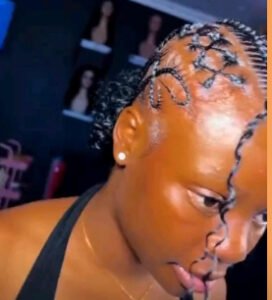
1. You Develop a Headache After Getting Your Braids
One of the first signs that your braids may be too tight is a headache that starts after installation.
If you didn’t have a headache before getting your braids but begin experiencing one soon afterward, especially during the first few days, pay attention to it. Tight braids can place excessive tension on your scalp, which may contribute to discomfort and headaches.
You may notice the discomfort around your head or even feel it extending toward your eyes.
Don’t assume you have to tolerate the pain just because your braids are fresh. If the headache is severe, persistent, or unusual for you, consider loosening or removing the style and seek medical advice if it doesn’t improve.
2. Your Hairline or Scalp Feels Painful in the Sun
Another sign you may notice is increased scalp sensitivity around your hairline and parts.
For example, you may step outside on a sunny day after getting your braids and notice that the exposed areas of your scalp feel extremely sensitive, sore, or painful.
This can be especially noticeable around the sections where the hair was pulled tightly during installation.
If your scalp is already tender and sun exposure makes the discomfort worse, pay attention to how much tension your braids put on your scalp.
3. You Develop Small Bumps or Irritated Spots
Small bumps can also appear on the scalp after tight braiding.
You may notice tiny raised spots or irritation where the hair has been pulled. They may feel itchy, uncomfortable, or tender.
Don’t scratch them aggressively. Scratching can further irritate the scalp.
If the bumps persist, become painful, develop discharge, or worsen, have a healthcare professional evaluate them rather than assuming they are simply caused by tight braids.
4. Your Scalp Hurts When You Try to Sleep
Another very obvious sign is pain when you lie down.
You may get into bed and realize that you can’t comfortably rest your head on the pillow. When you turn to one side, it hurts. When you turn to the other side, it still hurts.
If your scalp is so tender that you can’t comfortably sleep because your braids are pulling against your scalp, don’t ignore it.
Your hairstyle shouldn’t make it hard to rest.
5. Your Braids Pull Your Hairline Back
One of the easiest places to notice excessive tension is around your hairline. After getting your braids done, you may notice the hair around your edges looks pulled back or stretched more than usual.
You may also feel discomfort around your forehead or notice that your edges look unusually tight. This can happen when the braids around the hairline are installed too tightly or when too much hair is added to the braids.
Your edges are delicate and can be more vulnerable to tension. If your hairline is constantly being pulled, it can lead to breakage and thinning over time. If you notice your edges being pulled or becoming painful, it’s better to reduce the tension early than wait until you start losing hair.
6. Your Scalp Feels Extremely Tight or Stretched
Another sign that your braids may be too tight is the feeling that your entire scalp is being pulled or stretched.
When you touch your scalp, move your head, or try to adjust your braids, you may feel a constant pulling sensation. Sometimes, you may even feel like your scalp is under pressure because the braids are pulling your natural hair in one direction.
Your braids should feel secure, but not painfully tight. If you cannot comfortably move your head, touch your scalp, or relax because of the tension, that’s a sign you shouldn’t simply ignore.
The earlier you address excessive tension, the better your chances of preventing unnecessary discomfort and hair breakage.
7. You Notice Excessive Hair Shedding or Breakage Around the Braids
Pay attention to what is happening to your hair while you’re wearing the braids. If you notice an unusual amount of broken hair, especially around your edges, hairline, or where the braids are attached, the braids may be putting too much stress on your hair.
It’s normal to lose some hair when you eventually take down your braids because naturally shed hairs can remain trapped inside the style. However, seeing a lot of broken hairs while you’re still wearing the braids is different.
If your hair is snapping at the roots, your edges are thinning, or you notice areas of noticeable hair loss, don’t keep putting more tension on the area. Consider loosening or removing the braids and giving your hair a chance to recover.
If shedding or thinning continues even after removing the braids, speak with a dermatologist to determine what’s causing it.
How to Loosen Tight Braids Without Ruining Them
If your braids are too tight, you don’t necessarily have to remove them immediately. One gentle way to reduce tightness while keeping your hairstyle neat is to use warm water, a towel, and hair oil.
If your braids are already installed, proper maintenance matters too. Learn how to wash braids without ruining them while keeping your hairstyle neat and fresh.
Step 1: Use Warm Water and a Towel
First, use warm water and a clean towel.
Dip the towel in warm water and squeeze out the excess water. Then gently press the warm towel against your braids and scalp, especially around the areas that feel tight.
Don’t rub or pull the braids. Gently press the warm towel down, section by section, paying attention to the areas where you feel the most tension.
Step 2: Massage Your Scalp With Hair Oil
After using the warm towel, apply a small amount of hair oil to your scalp and around your edges.
Use your fingertips to gently massage the areas where the braids feel tight. Massage slowly and carefully, moving your fingers along the scalp without pulling or disturbing the braids.
You can also apply a little hair cream if that is what you normally use.
Step 3: Repeat the Process Consistently
For the best result, repeat this process consistently for about three days.
Each day, use the warm towel to gently press the tight areas, then apply your hair oil or hair cream and gently massage the scalp.
With consistent care, the tightness may gradually reduce while your braids still look neat and well-maintained, instead of having to completely ruin or remove the hairstyle.
Important: If the pain is severe, getting worse, or you develop significant swelling, sores, or noticeable hair loss, don’t keep trying to manage the tightness at home. The safest option may be to loosen or remove the braids and get professional medical advice if the symptoms persist.
Frequently Asked Questions
1. How do I know if my braids are too tight?
Common signs include headaches, scalp pain, extreme tightness, small bumps, pain around your hairline, difficulty sleeping comfortably, and excessive breakage or shedding around the braids.
2. How can I loosen tight braids without ruining them?
Gently apply a warm, damp towel to the tight areas, then massage your scalp with a small amount of hair oil or hair cream. Repeat gently and consistently, avoiding pulling or disturbing the braids.
3. How long does it take for tight braids to loosen?
It depends on how tight the braids are and how your scalp responds. Gentle care over the next few days may make them feel more comfortable. However, if the pain is severe or doesn’t improve, don’t continue wearing the style simply to keep it neat.
4. Why do my braids give me a headache?
A headache after braiding can happen when the hairstyle places too much tension on your scalp and hair. If you didn’t have the headache before getting your braids and it started soon after installation, pay attention to how tight the braids are.
5. Can tight braids damage my edges?
Yes. Constant tension around the hairline can cause breakage and thinning, especially when braids are installed very tightly or repeatedly put tension on the same area.
6. Should I remove my braids if they hurt?
If your braids cause significant or persistent pain, don’t ignore it. Try to reduce the tension, and if the discomfort continues or is severe, loosening or removing the braids may be the safer choice.
7. Can I sleep comfortably with tight braids?
You shouldn’t have to struggle to sleep because your braids are painful. If you cannot comfortably rest your head on your pillow or turn from one side to another because of your scalp pain, that’s a sign that the hairstyle may be putting too much tension on your hair and scalp.
8. Are small bumps after braiding normal?
Small bumps or irritated spots can occur when the scalp is exposed to tension or irritation. Avoid scratching or picking at them. If they become painful, worsen, or have discharge, have a healthcare professional check them.
9. Can tight braids cause hair loss?
Yes. Repeated or prolonged tension from tight hairstyles can contribute to a type of hair loss called traction alopecia. Taking tension seriously early can help reduce the risk of further damage.
10. How can I prevent my braids from being too tight?
Tell your braider that you don’t want the braids installed too tightly, especially around your edges. Pay attention to how your scalp feels during installation, and don’t be afraid to speak up if the braids become painful.
Conclusion
Braids are a beautiful and convenient hairstyle, but they should not leave you dealing with constant pain or discomfort.
If you experience headaches, scalp pain, bumps, a tight or stretched feeling, pain around
your hairline, difficulty sleeping, or excessive hair breakage after getting braids, these may be signs the style is too tight.
The good news is that you can reduce the tension without immediately ruining your hairstyle. Using a warm, damp towel and gently massaging your scalp with hair oil or hair cream can help make the braids feel more comfortable.
However, don’t sacrifice your hair’s health just to keep a hairstyle looking neat. If your braids keep hurting, get increasingly uncomfortable, or you notice significant thinning or hair loss, it’s better to loosen or remove them and seek professional advice if needed.
Remember: your braids should make you feel beautiful and comfortable—not leave you in pain.